

Cellphone use while driving is badly undercounted in crash reports, according to a new study from the Insurance Institute for Highway Safety. Researchers compared police reports with phone data from nearly 17,000 crashes and found that cellphone use before impact was missed by a factor of at least seven. The IIHS study on police reports and phone use used anonymized data from Cambridge Mobile Telematics covering 2021 to 2024 in four states.
Phone data showed drivers were using their phones within 30 seconds of impact in 7% of single-vehicle crashes and 8% of two-vehicle crashes. Police reports noted phone use in less than 1% of those same crashes. In only three of the nearly 17,000 cases did police record the same phone activity that the data captured.
Why Police Miss Cellphone Use While Driving
IIHS President David Harkey said it is widely accepted that police reports often miss the role of phones. “Many smartphone functions are hard for a witness to see, and drivers are reluctant to admit being distracted,” he said. Officers who arrive after a wreck rarely see signs of cellphone use while driving in the seconds before impact. Unless a driver confesses or a witness speaks up, the report may say nothing about a phone. Newer apps make the problem worse. “The apps may be new, but the danger isn’t,” said IIHS researcher Aimee Cox, the study’s lead author.
That gap matters because official numbers shape safety policy. The National Highway Traffic Safety Administration counted 3,208 deaths from distracted driving in 2024, but those figures come largely from police reports. If officers miss most phone use, the true toll of cellphone use while driving is likely much higher.
The study also found that small glances add up, which is why any cellphone use while driving is risky. Looking away from the road for just two seconds doubles the risk of a crash or near-crash. Common distractions behind the wheel include:
- Texting, scrolling or checking social media
- Typing an address into a navigation app
- Watching videos, which nearly a quarter of drivers in one IIHS survey admitted doing
- Holding a phone for calls instead of using hands-free features
Proving Cellphone Use While Driving After an Orlando Crash
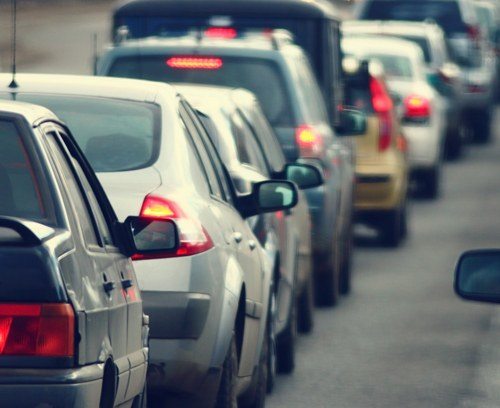
In Florida, texting while driving is a primary offense, which means police can stop a driver for it alone. Drivers also may not hold a phone in active school and work zones. Even so, when cellphone use while driving leads to a crash, a traffic ticket is often not written, and the crash report may leave out the most important detail. Many rear-end collisions on I-4 and Orlando’s busy roads happen when a driver looks down at a screen.
How Orlando Car Accident Attorneys Prove Distraction
Experienced Orlando car accident attorneys can make a real difference in these cases. A lawyer can request phone records, subpoena app data, and gather dash camera video, witness accounts and vehicle data. That evidence can show a driver was distracted even when the police report is silent. Phone data has become one of the strongest tools for proving cellphone use while driving, since it can pinpoint activity down to the second. Learn more about how a distracted driving accident claim works.
After a crash, insurance companies often use a vague police report to lower or deny a claim. An attorney who handles motor vehicle accident cases can push back with hard proof and seek payment for medical care, lost wages, car repairs, and pain and suffering. Evidence such as phone records can be harder to get as time passes, so talking to a lawyer soon after a crash gives your claim the best chance.
Call 407-846-2240 for a free consultation with an Orlando car accident attorney at the Martinez Manglardi personal injury law firm. Convenient locations throughout Central Florida, including Orlando, Kissimmee, Apopka, Palm Bay, Ocala, Haines City, and Davenport.